
Clear dialogue can make or break a film, interview, vlog, or short-form production. The best lavalier microphones for filmmaking keep voices intelligible while giving creators the freedom to frame scenes without staying close to the camera.
We’ve compared 10 wired and wireless options for camera, smartphone, and transmitter setups, focusing on sound quality, connectivity, portability, battery convenience, and practical value.
Best 10 Lavalier Microphones for Filmmaking Picks for 2026
Best Ultralight Single-Mic System
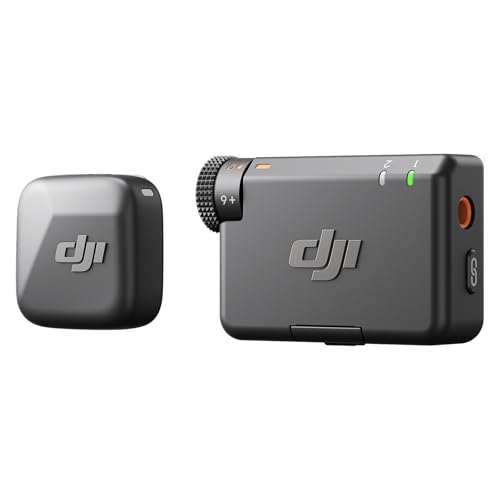
- 10 g transmitter for discreet wear
- Two active noise-cancellation levels
- Approximately 10-hour operating time
Best For: Solo creators and mobile interviews
Best Two-Person Audio Kit
COMICA BoomX-D2 Wireless Lavalier

- Two transmitters for interviews
- Mono, Stereo, and Safety modes
- Up to 12 hours of battery life
Best For: Two-person interviews and event video
Best Mobile Two-Transmitter Kit

- Two lightweight 10 g transmitters
- USB-C mobile receiver included
- Up to 11.5 hours of operating time
Best For: Two-person smartphone interviews and livestreams
Professional Wired Pick

- Broadcast-grade audio with a discreet capsule
- Omnidirectional pickup for flexible placement
- Kevlar-reinforced cable and 3.5mm TRS connector
Best For: Filmmakers using cameras or transmitters with 3.5mm TRS input
DJI System Replacement

- Designed for DJI Mic and DJI Mic 2
- Rotating design supports flexible positioning
- Compact and easy to conceal
Best For: Existing DJI Mic users needing a compact lavalier
Best with Extra Features

- Discreet 4mm capsule with broadcast-grade capture
- Omnidirectional pickup simplifies talent placement
- Kevlar-reinforced cable and 3.5mm TRS connection
Best For: Camera and transmitter-based filmmaking setups
Best Heavy-Duty Pick
MAYBESTA Wireless Mini Microphone

- Two wireless lavalier microphones are included
- Supports Lightning and USB-C mobile devices
- Plug-and-play setup with noise reduction
Best For: Mobile filmmakers and two-person creator videos
Best Two-Pack Value
NEEWER CM5 Lavalier Microphones

- Two wired omnidirectional condenser microphones
- Works with compatible 3.5mm devices and transmitters
- Includes clips and foam windscreens with no batteries needed
Best For: Two-speaker shoots and compatible wireless systems
Best Portable Camera Kit – Movo WMX-2 Wireless Lavalier
The Movo WMX-2 is a compact option for filmmakers who want wireless lavalier microphones for filmmaking without carrying a bulky audio kit. Its 2.4GHz system pairs a wearable transmitter with a camera receiver and includes accessories for mobile production.
Best For: DSLR filmmaking, vlogging, interviews, and creators who need a portable wireless setup.
Pros:
- Wireless range reaches up to 328 feet with Adaptive Frequency Hopping.
- Built-in omnidirectional transmitter microphone clips directly onto clothing.
- Up to 7 hours of battery life plus an additional charge from the case.
- Includes windmuffs, a carrying pouch, a lavalier microphone, and a counterweight.
Cons:
- The system uses a single channel.
- Its plastic enclosure may be less rugged than metal-bodied alternatives.
- Camera connection is centered on a 3.5 mm jack, while USB-C compatibility depends on the device and cable setup.
The WMX-2 is a straightforward choice when portability and included accessories matter. Its long stated range and charging case suit location shoots, though filmmakers needing multiple channels may prefer a larger system.
Best Ultralight Single-Mic System – DJI Mic Mini
The DJI Mic Mini is an ultralight choice for filmmakers seeking wireless lavalier microphones for filmmaking with discreet on-camera equipment. The single-transmitter kit combines 48kHz audio, active noise cancellation, and automatic limiting in a compact package.
Best For: Solo creators, interviews, smartphone recording, and DJI OsmoAudio users.
Pros:
- The transmitter weighs 10 g for comfortable, discreet wear.
- Two noise-cancellation levels help manage quiet and noisy environments.
- Automatic limiting helps reduce clipping from overly loud audio.
- Up to 400 m of stated transmission range and approximately 10 hours of operating time.
Cons:
- This configuration includes one transmitter, limiting two-person interview coverage.
- The receiver and accessories add components to a small production kit.
- Some direct-connection features are specific to compatible DJI Osmo devices.
Choose this DJI kit if a lightweight transmitter and quick noise-control options are more important than recording multiple speakers. Its camera, computer, and smartphone compatibility gives it useful flexibility for mobile filmmaking.
Best Two-Person Audio Kit – COMICA BoomX-D2 Wireless Lavalier
The COMICA BoomX-D2 is designed for filmmakers who need wireless lavalier microphones for filmmaking with two transmitters. Its Mono, Stereo, and Safety modes provide useful recording flexibility, while headphone monitoring and low latency support more controlled shoots.
Best For: Two-person interviews, wedding video, outdoor vlogging, and creators who want a backup safety track.
Pros:
- Includes two transmitters and supports up to 650 feet of stated transmission range.
- Safety mode records a backup channel at -6 dB to help protect against distortion.
- Receiver headphone output enables real-time, zero-latency monitoring.
- Up to 12 hours of battery life, automatic frequency selection, and latency under 20 ms.
Cons:
- The full feature set may be more than solo creators need.
- Lightning iPhone users need an additional Lightning adapter.
- Its connectivity requires choosing the appropriate included cable for the recording device.
The BoomX-D2 stands out when production reliability matters, particularly for unpredictable outdoor audio. The safety track, monitoring output, and two-transmitter design make it a strong fit for interviews and event filmmaking.
Best Mobile Two-Transmitter Kit – DJI Mic Mini 2 TX
The two-transmitter DJI Mic Mini kit is a convenient option for filmmakers who want wireless lavalier microphones for filmmaking with direct USB-C mobile connectivity. It pairs two lightweight transmitters with a mobile receiver, active noise cancellation, and automatic limiting for fast interviews and content shoots.
Best For: Two-person interviews, livestreams, smartphone filmmaking, and DJI OsmoAudio users.
Pros:
- Includes two 10 g transmitters for recording multiple speakers.
- Two noise-cancellation levels help adapt to indoor and noisy locations.
- Automatic limiting helps prevent clipping from sudden loud sounds.
- Up to 11.5 hours of stated operating time and 300 m maximum transmission range.
Cons:
- This configuration uses a mobile USB-C receiver rather than a dedicated camera receiver.
- Compatibility is especially convenient for USB-C devices, while other devices may require additional adapters.
- The compact system offers fewer stated control modes than the COMICA BoomX-D2.
This kit is a practical match for mobile-first filmmaking where two speakers need to be miked quickly. Its lightweight transmitters, charging dock, and USB-C receiver make it particularly suitable for smartphone interviews and livestream production.
Professional Wired Pick – RØDE Lavalier GO
For filmmakers who want dependable, broadcast-grade sound without a wireless setup, the RØDE Lavalier GO is a practical wired option. Its omnidirectional pickup, discreet capsule, and standard 3.5mm TRS connector make it easy to pair with compatible cameras, audio interfaces, and wireless transmitters.
Best For: Filmmakers, broadcasters, and creators using cameras or transmitters with a 3.5mm TRS input.
Pros:
- Broadcast-grade audio capture from a discreet 4.0mm capsule.
- Omnidirectional pickup is forgiving when microphone placement shifts.
- Kevlar-reinforced 1.2m cable and included mounting clip support regular shoot use.
- Foam pop shield helps reduce wind noise and vocal plosives.
Cons:
- Wired operation limits movement compared with a wireless system.
- Requires a compatible 3.5mm TRS connection.
The Lavalier GO is a strong choice when connection reliability and straightforward camera compatibility matter more than wireless freedom. Its durable construction and forgiving pickup pattern suit fast-paced production work.
DJI System Replacement – DJI Lavalier Microphone
The DJI Lavalier Microphone is a compact wired accessory for filmmakers already using DJI’s wireless microphone ecosystem. Its rotating design supports flexible positioning, while the cable-routing design helps prevent accidental unplugging during interviews, vlogs, livestreams, and other mobile shoots.
Best For: DJI Mic and DJI Mic 2 users who need a compact, concealable lavalier microphone.
Pros:
- Compatible with DJI Mic 2 and DJI Mic.
- Rotating design allows flexible recording positions.
- Cable routing helps reduce accidental unplugging.
- Compact form is easy to conceal on talent.
Cons:
- Its compatibility is centered on DJI Mic systems.
- The supplied notes do not specify broader connector compatibility or audio specifications.
This microphone makes the most sense as a discreet add-on for DJI users. Its design focuses on convenient positioning and a more secure connection rather than broad standalone compatibility.
Easy Wireless Phone Kit – SUDEHO Mini Lavalier Microphones
For smartphone-based filmmaking, this SUDEHO wireless kit offers a quick plug-and-play approach. The USB-C receiver pairs automatically without Bluetooth or an app, while adjustable noise cancellation, a charging case, and a claimed 50-meter transmission range add flexibility for vlogging, interviews, and outdoor video.
Best For: Smartphone and tablet creators who want an easy wireless setup for videos, interviews, livestreams, and field recording.
Pros:
- Automatic pairing without Bluetooth or an app.
- Three noise-cancellation levels support different recording environments.
- Up to 6 hours of continuous recording and up to 36 hours with the charging case.
- Includes USB-C receiver, iOS converter, charging case, and cable.
Cons:
- Designed around USB-C smartphones and tablets, with an iOS converter included rather than a camera connector.
- Voice-changing and multiple audio modes may be unnecessary for straightforward filmmaking.
- Wireless performance depends on the claimed range and recording environment.
This is a convenience-focused option for creators recording directly to mobile devices. Its automatic pairing and included case reduce setup friction, while the selectable audio modes provide useful flexibility for casual production.
Best with Extra Features – RØDE Lavalier GO
For filmmakers who want dependable, broadcast-oriented audio without wireless setup, the RØDE Lavalier GO is a practical choice. Its discreet 4mm capsule, omnidirectional pickup, and standard 3.5mm TRS connection make it easy to pair with compatible cameras, audio interfaces, and transmitters.
Best For: Filmmakers using cameras or wireless transmitters with a 3.5mm TRS input.
Pros:
- Broadcast-grade audio capture from a discreet 4mm capsule
- Omnidirectional pickup is forgiving of placement changes
- Kevlar-reinforced 1.2m cable is designed for demanding shoots
- Includes a foam pop shield and cable-management clip
Cons:
- Wired design does not provide the freedom of a wireless microphone
- Requires a compatible 3.5mm TRS input or suitable adapter
The Lavalier GO is a strong fit when consistent, discreet dialogue capture matters more than eliminating cables. Its rugged construction and included accessories make it especially useful for fast-moving production work.
Best Heavy-Duty Pick – MAYBESTA Wireless Mini Microphone
For smartphone-first filmmakers and creators, the MAYBESTA wireless mini microphone offers a simple way to record without a cable tether. This two-microphone kit supports Lightning and USB-C devices, uses plug-and-play pairing, and includes noise reduction and wind protection.
Best For: Smartphone filmmaking, interviews, vlogging, livestreaming, and two-person recordings.
Pros:
- Two microphones support recording with multiple speakers
- Compatible with Lightning and USB-C phones and tablets
- Automatic connection requires no app or adapter
- Wireless design provides freedom of movement while filming
Cons:
- Phone-focused design may be less suitable for dedicated camera workflows
- Battery-powered operation requires regular charging
This kit is convenient when speed and mobility are priorities. Its broad mobile-device compatibility and two-mic setup make it a flexible option for solo creators, interviews, and social video production.
Best Two-Pack Value – NEEWER CM5 Lavalier Microphones
The NEEWER CM5 is a straightforward two-pack for filmmakers who prefer wired lavalier microphones and need to outfit more than one speaker. The omnidirectional condenser mics use 3.5mm TRS connectors, require no batteries, and work with compatible cameras, recorders, smartphones, and wireless transmitters.
Best For: Two-person shoots, interviews, presentations, and compatible wireless transmitter systems.
Pros:
- Two microphones provide useful coverage for multiple speakers
- No batteries or software are required
- Compatible with RØDE Wireless GO II, DJI transmitters, and select NEEWER systems
- Includes 1.2m cords, metal clips, and foam windscreens
Cons:
- Not compatible with Sony microphone systems
- 3.5mm connection may require an adapter for USB-C devices
- Wired operation limits movement compared with wireless kits
The CM5 is a practical value option when you need two compact mics and already use compatible 3.5mm equipment. Check your device’s connector and transmitter compatibility before buying.
How We Picked the Best Lavalier Microphones for Filmmaking
We evaluated these microphones according to the needs of filmmakers and content creators rather than relying on specifications alone. The comparison considers connection type, device compatibility, wireless range, battery life, charging convenience, microphone size, noise-control features, and how easily each model can be hidden or positioned on clothing.
We also separated purpose-built camera systems from simple smartphone clip-on microphones. A lav that works well for casual mobile videos may not offer the range, monitoring, dual-person recording, or dependable connection required for interviews and narrative production.
Quick Comparison
| Type | Best suited for | Key advantage |
|---|---|---|
| Wireless camera systems | DSLR, mirrorless, and professional video | Flexible placement and greater shooting freedom |
| Wireless smartphone kits | Vlogging, interviews, and mobile filmmaking | Fast setup with minimal equipment |
| Wired lavalier microphones | Controlled shoots and backup audio | Simple operation and no wireless battery concerns |
| Dual-transmitter systems | Two-person interviews and dialogue scenes | Records two speakers with one receiver |
Key Buying Factors for Lavalier Microphones for Filmmaking
Compatibility and Connectors
Check whether the microphone connects directly to a camera, phone, or wireless transmitter. USB-C and Lightning-compatible kits are convenient for phones, while cameras commonly require a 3.5mm input or a receiver with the appropriate output. Adapter requirements can affect both cost and reliability.
Wired Versus Wireless Operation
Wired lavs are affordable, lightweight, and dependable when the subject stays near the recording device. Wireless systems are better when talent moves through a scene, but they introduce batteries, pairing, interference, and receiver-placement considerations.
Sound Control and Handling Noise
Look for a secure clip, a windscreen, and a cable or transmitter design that resists rubbing against clothing. Noise reduction can help in busy environments, but it should not replace careful mic placement and recording in the quietest practical location.
Battery Life and Workflow
Charging cases simplify travel and help keep transmitters ready between takes. For longer shoots, compare claimed runtime with your production schedule and consider whether the receiver can be charged or used while recording.
Who Should Buy Which Lavalier Microphones for Filmmaking?
Choose a wireless camera system if you shoot interviews, documentaries, weddings, or narrative scenes with moving subjects. A dual-transmitter kit is the practical choice for two speakers, while a compact single-transmitter system suits solo creators and one-person interviews.
Phone-first creators should select a kit designed for their device connector and operating system. Wired lavs remain a smart choice for stationary presentations, controlled studio work, and as an inexpensive backup when wireless equipment runs out of power or encounters interference.