
The right microphone preamp can give a quiet dynamic or ribbon microphone the clean gain it needs, while helping condenser microphones perform consistently in a recording, podcasting, or live setup.
This roundup compares 10 options, from compact inline boosters to full channel strips and USB audio interfaces, so you can match features, connectivity, and budget to your setup.
Best 10 Microphone Preamp Picks for 2026
Versatile Channel Strip

- Built-in compression, de-esser, enhancer, and gate
- XLR and 1/4-inch inputs with insert loop-out
- Rack-mountable 1U format with LED metering
Best For: Vocal, podcast, and rack-based recording setups
Clean Gain Booster
Cloudlifter CL-1 Mic Activator

- Adds up to +25 dB of gain to passive microphones
- Powered by phantom power without passing it to the mic
- Compact XLR inline design for studio and streaming use
Best For: Quiet passive ribbon and dynamic microphones
Compact Class-A Booster
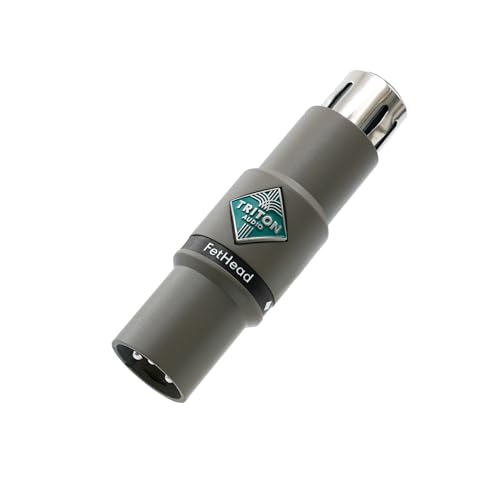
- Low-noise Class-A JFET amplifier
- Shielded enclosure for inline use
- Uses four matched JFETs
Best For: Simple, space-saving microphone gain stages
Tube-Tone DI Preamp

- 12AX7 tube stage with XMAX solid-state input
- Separate microphone and instrument inputs
- Includes pad, phantom power, filter, and polarity reverse
Best For: Home studios recording vocals and instruments
Best Budget Low-Noise Preamp

- 19–66dB usable gain range
- -120dBV EIN noise rating
- 1MΩ instrument input and Type-C power
Best For: Budget home recording, streaming, and portable setups
Best Complete Recording Interface

- 120dB dynamic range and 24-bit/192kHz
- XLR mic preamp plus Hi-Z input
- Includes recording software bundle
Best For: Songwriters and home producers recording to a computer
Best High-Gain Flexible-Output Preamp

- Up to +75dB gain with -120dB EIN
- 48V phantom power and 1MΩ input
- Balanced XLR plus dual 3.5mm outputs
Best For: Vocal recording, quiet dynamic mics, and portable connections
Best with Extra Features

- Adds 25dB of clean gain
- Low-noise -70dB rating
- For dynamic and ribbon mics
Best For: Podcasts, broadcasts, studio recording, and live sound with compatible microphones
Rugged Signal Upgrade

- Delivers 29dB of gain
- Metal housing for shielding
- Includes one-year warranty
Best For: Dynamic and ribbon microphone setups needing extra gain
Versatile Powered Preamp
20dB Mic Amplifier for Dynamic and Condenser Mics

- Supports dynamic and condenser mics
- Offers three interface types
- Compact metal case with 20dB gain
Best For: Mixed microphone setups, home studios, podcasting, and live streaming
Versatile Channel Strip – dbx 286s Microphone Preamp
The dbx 286s is a microphone preamp and channel strip for users who want more than basic gain. It combines compression, de-essing, enhancement, and expander/gate processing in a rack-mountable 1U unit, with XLR and 1/4-inch inputs for microphones, instruments, and line-level sources.
Best For: Vocal recording, podcasting, live sound, and rack-based setups that need built-in signal processing.
Pros:
- Combines microphone preamp, compression, de-esser, enhancer, and expander/gate functions.
- Includes XLR mic input, 1/4-inch line input, insert loop-out, and status metering.
- Rack-mountable 1U design with balanced or unbalanced input support.
Cons:
- Single-channel design may not suit stereo or multi-microphone setups.
- More processing features than users seeking a simple preamp may need.
The dbx 286s is a strong all-in-one choice when you want to shape a vocal or instrument before recording. Its dedicated processors and routing options make it more flexible than a basic microphone preamp, though its 1U format is best suited to fixed or rack-based systems.
Clean Gain Booster – Cloudlifter CL-1 Mic Activator
The Cloudlifter CL-1 is an inline microphone preamp designed to add clean signal strength to quieter passive microphones. It uses phantom power to provide up to 25 dB of gain without passing phantom power through to the microphone, making it useful for ribbons, dynamic microphones, podcasts, and voice recording.
Best For: Passive ribbon and dynamic microphones connected to interfaces or mixers with phantom power.
Pros:
- Provides up to +25 dB of microphone gain.
- Uses phantom power while protecting compatible passive microphones from phantom-power transfer.
- Compact XLR design suited to studio recording, streaming, radio, and live sound.
Cons:
- Requires a connected microphone input with standard +48V phantom power.
- It is an inline gain activator rather than a full channel strip with tone-shaping controls.
The CL-1 is a practical solution when a passive microphone needs additional level before reaching an existing preamp. It keeps the setup focused on clean gain and microphone clarity, but it does not replace a complete microphone preamp with built-in processing or multiple inputs.
Compact Class-A Booster – Triton Audio FetHead Preamp
The Triton Audio FetHead is an inline microphone preamp built around a low-noise Class-A JFET amplifier. Its shielded enclosure and matched JFET design make it a compact option for adding front-end gain while keeping the signal path simple.
Best For: Users who want a small inline microphone gain stage with a Class-A JFET design.
Pros:
- Uses a low-noise Class-A JFET amplifier.
- Features a shielded enclosure for a compact, straightforward setup.
- Double single-ended amplifier topology with four matched JFETs.
Cons:
- Supplied notes do not specify the amount of available gain.
- Inline design offers fewer controls than a full-featured desktop or rack microphone preamp.
The FetHead suits recording chains where space and simplicity matter. Its Class-A JFET architecture is the main attraction, but buyers who need documented gain controls, metering, or built-in dynamics processing should consider a more feature-rich microphone preamp.
Tube-Tone DI Preamp – PreSonus TubePre v2
The PreSonus TubePre v2 combines a 12AX7 tube stage with a solid-state XMAX input stage, giving this microphone preamp and DI box separate microphone and instrument inputs. Gain, tube drive, phantom power, high-pass filtering, a -20 dB pad, and polarity reversal provide useful control for recording different sources.
Best For: Home studios recording microphones and instruments that need tube drive, DI connectivity, and basic input control.
Pros:
- Combines a 12AX7 tube preamp with a solid-state XMAX input stage.
- Provides separate instrument and microphone inputs.
- Includes phantom power, high-pass filter, -20 dB pad, and polarity reverse.
Cons:
- Single-channel design limits simultaneous multi-source recording.
- Tube-based circuitry may be unnecessary for users seeking a strictly clean, minimal preamp.
The TubePre v2 is a flexible choice when you want microphone and instrument connectivity in one unit, along with adjustable tube drive. Its combination of gain controls and recording utilities makes it more adaptable than a basic DI, while its single-channel layout keeps it aimed at focused setups.
Best Budget Low-Noise Preamp – RO03 66dB Mic Preamp
The RO03 is a practical microphone preamp for users who need substantial gain without a large jump in background noise. Its 19–66dB gain range, -120dBV EIN rating, Type-C power input, and 1MΩ instrument impedance make it suitable for dynamic microphones, condenser microphones, ribbon microphones, and instrument recording.
Best For: Budget-conscious vocalists, streamers, and home recordists using an audio interface with a TRS line input.
Pros:
- Provides a usable 19–66dB gain range with a stated -120dBV EIN noise performance.
- Supports dynamic, condenser, ribbon, and instrument sources, with a 1MΩ instrument input for DI use.
- Type-C power improves portability, while XLR, TRS, and TS connections offer flexible routing.
Cons:
- The two input ports cannot be used simultaneously.
- The manufacturer recommends using a suitable TRS line connection to an audio interface for the lowest noise.
The RO03 stands out when you want a dedicated microphone preamp rather than a complete recording interface. It offers useful gain and broad source compatibility, but getting the best results depends on following the recommended connection method.
Best Complete Recording Interface – Scarlett Solo 4th Gen
The Focusrite Scarlett Solo 4th Gen is more than a standalone microphone preamp: it is a compact USB-C audio interface for recording a microphone and instrument directly to a computer or iPad. It combines one XLR mic preamp, a Hi-Z instrument input, 24-bit/192kHz recording, and software included for starting a production setup.
Best For: Songwriters and home producers who want a recognized USB recording interface with a built-in mic preamp and instrument input.
Pros:
- Offers a 120dB dynamic range and up to 24-bit/192kHz operation.
- Includes one XLR microphone input and one Hi-Z instrument input for basic vocal-and-guitar recording.
- Air modes add presence and harmonic drive, and the package includes Pro Tools Intro+, Ableton Live Lite, Cubase LE, and Hitmaker Expansion.
Cons:
- It has one audio input, so it is less suitable for recording multiple microphones at once.
- It is a USB audio interface rather than a dedicated line-level gain box for expanding another interface.
Choose the Scarlett Solo when your priority is an all-in-one computer recording path. Its built-in preamp, instrument input, conversion specifications, software bundle, and three-year warranty make it a versatile starting point for musicians.
Best High-Gain Flexible-Output Preamp – JCANOL MIC-1
The JCANOL MIC-1 is a high-gain microphone preamp designed for quiet dynamic microphones and vocal recording. It provides up to 75dB of stated gain, -120dB EIN performance, 48V phantom power, a 1MΩ instrument input, and both balanced XLR and 3.5mm auxiliary outputs.
Best For: Vocalists, podcasters, and portable users who need high gain plus balanced and compact-device output options.
Pros:
- Offers up to +75dB of gain and a stated -120dB EIN for low-output microphones and quiet sources.
- Includes 48V phantom power for condenser microphones and supports instruments through its 1MΩ input.
- Provides balanced XLR output plus separate 3.5mm mic and line outputs for flexible connections.
Cons:
- The two input ports cannot operate simultaneously.
- The supplied details identify XLR and 3.5mm outputs, so users should verify connector and cable requirements for their setup.
For users who need more gain and more output choices than a basic preamp provides, the MIC-1 is a compelling option. Its phantom power and high-impedance instrument input broaden compatibility, while the compact metal enclosure and three-year warranty add practical appeal.
Best with Extra Features – Coda 25dB Microphone Preamp
The Coda MB-1 is a focused microphone preamp for adding 25dB of clean gain to quiet dynamic and ribbon microphones. It can help podcasts, broadcasts, studio sessions, and live setups achieve more usable signal without pushing an interface preamp as hard.
Best For: Dynamic or ribbon microphone users with an interface or external supply that provides 48V phantom power.
Pros:
- Adds 25dB of gain while maintaining the microphone’s natural sound.
- Designed for low-noise operation, with a stated -70dB noise rating.
- Durable aluminum construction suits both studio and stage use.
- Can improve gain before feedback and reduce line noise on long cable runs.
Cons:
- Requires 48V phantom power from an interface or external power supply.
- Does not work with condenser microphones.
This is a practical microphone preamp choice when your dynamic or ribbon mic needs more clean level, provided your setup already supplies phantom power.
Rugged Signal Upgrade – StudioMan DPM1 XLR Preamp
The StudioMan DPM1 is a plug-and-play microphone preamp that delivers 29dB of stated gain for low-output dynamic and ribbon microphones. Its compact metal XLR design is intended to add headroom and reduce the need to maximize a noisy interface or mixer preamp.
Best For: Podcasters, streamers, studio users, and live engineers using XLR dynamic or ribbon microphones with 48V-capable equipment.
Pros:
- Provides up to 29dB of clean, transparent gain.
- Metal housing helps with durability and interference shielding.
- Compatible with standard XLR dynamic microphones and audio interfaces or mixers.
- Includes a one-year manufacturer warranty and stated 24/7 technical support.
Cons:
- Requires 48V phantom power, which is not included.
- Strictly not designed for condenser microphones.
With more gain than many inline boosters and a travel-friendly metal build, the DPM1 is worth considering for dynamic-mic setups that need extra level without replacing the interface.
Versatile Powered Preamp – 20dB Mic Amplifier for Dynamic and Condenser Mics
This versatile microphone preamp provides 20dB of gain and supports both dynamic and condenser microphones. Its 5V/48V support, multiple interface options, and included power and audio cables make it a flexible choice for home studios, podcasting, recording, and live streaming.
Best For: Users who need a compact preamp for both dynamic and condenser microphones with 3.5mm, 6.35mm, or XLR connections.
Pros:
- Works with dynamic and condenser microphones.
- Supports 3.5mm, 6.35mm, and XLR interfaces.
- Offers 20dB gain through a fully balanced circuit design.
- Compact metal case is designed to reduce interference and noise.
Cons:
- Condenser microphone operation is listed at approximately 3–5 hours with 48V active.
- The 20dB gain level is lower than the boosts offered by the other listed models.
If connector flexibility and condenser-microphone support matter more than maximum gain, this compact microphone preamp offers a broader feature set for mixed audio setups.
How We Picked These Microphone Preamps
We selected products across the main Microphone Preamp categories: inline gain boosters, standalone preamps, channel strips, DI-equipped units, and USB audio interfaces. We considered available gain, noise performance, phantom-power support, input and output connections, microphone compatibility, controls, portability, and likely use cases. Because a compact booster and a complete recording interface solve different problems, the most suitable choice depends on the rest of your signal chain.
Quick Comparison
| Type | Best For | What to Check |
|---|---|---|
| Inline booster | Low-output dynamic and ribbon microphones | Phantom-power requirement and available gain |
| Standalone preamp | Flexible desktop or studio setups | Inputs, outputs, controls, and noise floor |
| Channel strip | Voice processing while recording | Compression, de-essing, gating, and expansion |
| USB audio interface | Computer-based recording | USB connection, converters, monitoring, and software support |
Key Buying Factors for a Microphone Preamp
Gain and Noise
Choose enough clean gain for your microphone without running the control at its limit. Low-output dynamics and passive ribbons often need substantially more gain than typical condenser microphones. A low equivalent input noise rating is especially important when recording quiet sources or adding significant amplification.
Phantom Power and Compatibility
Condenser microphones generally need 48V phantom power, while many dynamic microphones do not. Inline boosters commonly rely on phantom power from the interface or mixer, even though they do not pass that power to a passive ribbon microphone. Confirm the signal direction and power requirements before connecting sensitive equipment.
Connections and Workflow
Check whether you need XLR input and output, a quarter-inch instrument input, a DI function, or direct USB connectivity. A standalone unit may require an audio interface, whereas a USB model can connect directly to a computer and often includes headphone monitoring.
Useful Processing
Compression, de-essing, filtering, gating, and enhancement can make spoken-word recording easier, but they also add complexity. If you already mix inside a digital audio workstation, a clean preamp may be preferable to a feature-heavy channel strip.
Who Should Buy Which Microphone Preamp?
Choose an inline booster if your dynamic or ribbon microphone is too quiet and your existing interface has a clean XLR path with phantom power. These are compact and simple, but they do not replace a complete interface.
Choose a standalone preamp if you want dedicated gain controls, a desktop setup, or added instrument connectivity. This is a practical middle ground for home studios and flexible vocal chains.
Choose a channel strip if you want to shape a vocal or broadcast signal before it reaches your recorder. Models with compression, de-essing, and gating can reduce later processing, provided you are comfortable setting them correctly.
Choose a USB audio interface if you are starting computer recording or need preamp, conversion, headphone monitoring, and software connectivity in one device. For most beginners, it is more versatile than buying a preamp alone.