
Cargo vans have big blind zones, long wheelbases, and frequent lane changes, which makes reliable visibility gear more than a convenience.
This roundup of the best blind spot monitors for cargo vans highlights radar and camera-based options that can help reduce stress on the road and during delivery work.
Best 10 Blind Spot Monitors for Cargo Vans Picks for 2026
Radar Lane-Change Kit

- Dual 24GHz sensors with 1–32.8 ft detection
- Turn-signal-based visual and audible alerts
- Includes alignment tool and manual
Best For: Cargo van owners wanting a radar alert kit with professional installation
Rear View Van Camera Kit
7" Mirror Backup Camera for Vans

- 170° rear view for reversing visibility
- IP67 waterproof with anti-fog lens
- 7-inch LCD mirror display included
Best For: Sprinter and cargo van drivers focused on backup visibility
Plastic-Bumper Radar Alert
EASYGUARD 24GHz Blind Spot System

- 2-sensor 24GHz radar blind area detection
- Visual alerts plus 3-beep lane-change warning
- Requires a plastic bumper and pro install
Best For: Cargo vans with plastic bumpers needing radar lane-change alerts
Side Camera Blind Spot Display
1080P Side Blind Spot Camera System

- Dual side cameras with 6.25-inch IPS display
- 1080P image plus optional sound/light warning
- Non-drill, IP68 waterproof camera design
Best For: Cargo van drivers wanting a side-view camera system with display
Radar Alert Pick

- 24GHz radar with sound and light alerts
- Adds lane change and door-open warning functions
- Up to 15m detection range
Best For: 12V vans and other vehicles with soft rear fascia that need radar-based blind spot alerts
Camera View Pick
6.25" Blind Spot Camera Display

- 6.25-inch IPS screen shows left and right blind spots
- 120° camera with night vision and recorder support
- Hidden, non-drilled installation
Best For: Van drivers who want a visual blind spot system with a dash-style display
Standalone Safety Pick

- Sound and light alerts for blind zone traffic
- Includes rear traffic and door-open reminder functions
- IP67 ABS housing for weather use
Best For: Drivers wanting a simple, weather-resistant blind spot alert kit for 12V vehicles
Radar-Driven All-Weather Pick
77GHz Universal Blind Spot Monitor

- 77GHz radar with 3.5m x 70m coverage
- Detects moving objects only to reduce false alerts
- BSD, LCA, DOW, AOA, and RCTA functions
Best For: Cargo van drivers needing radar-based blind spot coverage in poor weather
Simple Ultrasonic Safety Upgrade

- 5m x 2.5m ultrasonic detection area
- LED and buzzer alerts for lane changes
- Includes BSD, LCA, and RCTA functions
Best For: Drivers wanting a straightforward ultrasonic alert system for lane changes and reversing
Wider-Voltage Radar Option
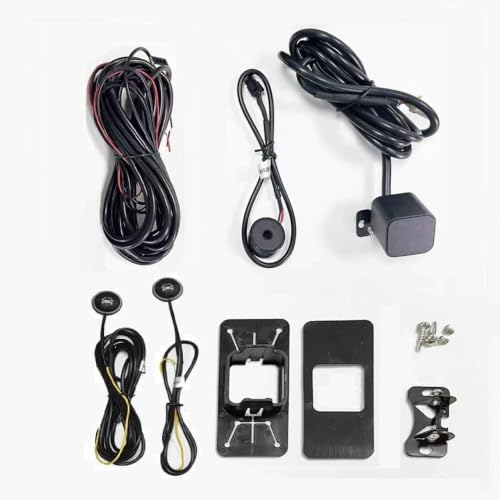
- Fits DC9-16V vehicles, including trucks and vans
- Compatible with metal or plastic rear bumpers
- 77GHz radar with BSD, LCA, DOW, AOA, and RCTA
Best For: Cargo van and truck drivers needing wider voltage compatibility and bumper flexibility
Radar Lane-Change Kit – 12V Radar Blind Spot Monitor
If you want blind spot monitors for cargo vans that work as a standalone warning system, this 24GHz radar kit is built around lane-change alerts and side/rear vehicle detection. It’s a 12V universal setup, but it does require careful installation and proper sensor alignment to perform as intended.
Best For: Cargo van owners who want a radar-based blind spot warning kit and are comfortable with professional installation.
Pros:
- Dual 24GHz radar sensors provide blind spot detection with a 1–32.8 ft range.
- Multi-mode alerts change based on turn signal status for lane-change awareness.
- Designed for 12V vehicles and includes an installation manual and alignment tool.
- Helps with awareness in night driving, rain, snow, and fog.
Cons:
- Professional installation is recommended.
- Radar sensors cannot penetrate metal surfaces.
- Best fit depends on correct mounting position, angle, height, and wiring.
This is a practical option if your cargo van has a compatible 12V setup and you want audible and visual lane-change warnings rather than a camera display. The tradeoff is that installation quality matters a lot for detection performance.
Rear View Van Camera Kit – 7" Mirror Backup Camera for Vans
For cargo vans, blind spot monitors often need to help most when reversing, and this roof-mount camera plus 7-inch mirror display is aimed at that job. It offers a 170° rear view, waterproof construction, and a simple wired RCA setup, making it a straightforward reversing aid for larger vans.
Best For: Mercedes Sprinter, Dodge Cargo Van, and similar van owners who want a dedicated reverse-view camera system.
Pros:
- 170° ultra-wide rear view helps reduce reversing blind spots.
- IP67 waterproof housing with anti-fog lens for harsh weather.
- Includes a 7-inch LCD mirror display for direct viewing.
- Plug-and-play design with universal RCA connection.
Cons:
- Wired installation is required.
- May need an additional adapter for factory radio integration.
- Focused on reversing assistance, not side blind spot monitoring.
This setup makes sense if your main concern is backing a tall van safely into tight spaces. It is less of a lane-change blind spot solution, but it is useful where rear visibility is the biggest challenge.
Plastic-Bumper Radar Alert – EASYGUARD 24GHz Blind Spot System
This EASYGUARD system is a radar-based choice for blind spot monitors for cargo vans that use a 12V electrical system and have a plastic bumper. It watches the adjacent lanes for moving objects and adds stronger lane-change alerts when the turn signal is on, but it does require professional installation.
Best For: Cargo van drivers with plastic bumpers who want a 24GHz lane-change warning system.
Pros:
- 2-piece 24GHz microwave sensor setup detects moving objects in the blind area.
- Offers visual alerts plus three-beep lane-change warning when signaling.
- Works with most DC12V sedans, SUVs, MPVs, and pickup-style vehicles.
- Designed for a 6–12 meter detection range.
Cons:
- Only installs on vehicles with a plastic bumper.
- Does not work with metal bumpers.
- Professional audio installer installation is required.
If your cargo van meets the plastic-bumper requirement, this is a focused lane-change assist system rather than a camera-based monitor. Its main strength is giving clear warnings when another vehicle enters the blind zone.
Side Camera Blind Spot Display – 1080P Side Blind Spot Camera System
If you prefer a camera-based option for blind spot monitors for cargo vans, this side-view display system combines left and right cameras with a 6.25-inch IPS screen. It is designed to show the blind areas beside the vehicle clearly, while also adding sound and light warning support on the A65S model.
Best For: Drivers who want a side blind spot camera system with a display and recording function.
Pros:
- Dual side cameras show left and right blind spots on one display.
- 1080P image quality with a 6.25-inch IPS full-view screen.
- Screen brightness adjusts automatically based on time of day.
- Camera can be installed without drilling and is IP68 waterproof.
Cons:
- Uses AHD signal compatibility, so setup is more specialized.
- Powered by 5V, so installation planning is important.
- Best for side blind spots, not a dedicated radar lane-change sensor.
This is a strong fit if you want a visual check of both sides of the van instead of relying only on radar alerts. The hidden, non-drill camera design is especially appealing for drivers who want a cleaner installation.
Radar Alert Pick – BY-J 24GHz Blind Spot Monitor
If you want blind spot monitors for cargo vans that rely on radar-style alerts, this BY-J kit focuses on rear-side detection with sound and light warnings. It uses a 24GHz millimeter-wave sensor and is designed to help flag nearby moving objects during lane changes, reversing, and door-open situations.
Best For: Vans and other 12V vehicles that need a radar-based blind spot and rear traffic warning system, especially when a professional installer is available.
Pros:
- 24GHz radar sensing with sound and light alerts
- Supports blind spot detection, lane change assist, and door-open warning
- Up to 15m detection range with waterproof automotive-grade plugs
- Works with most 12V sedans, SUVs, MPVs, and pickups without metal bumpers
Cons:
- Not suitable for vehicles with metal bumpers
- Professional installation is required
- Universal fit still depends on a soft rear fascia
This is a practical choice if you want a radar blind spot monitor with multiple warning modes rather than a camera display. Just make sure your van matches the installation requirements before buying.
Camera View Pick – 6.25" Blind Spot Camera Display
For drivers looking at blind spot monitors for cargo vans with a visual feed, this camera-and-display system shows the rear left and right blind zones on a 6.25-inch IPS screen. It combines a 120° side-view camera, adjustable display brightness, and night vision to give you a clear look at surrounding traffic.
Best For: Van drivers who prefer a screen-based blind spot setup with camera images instead of radar alerts alone.
Pros:
- 6.25-inch HD IPS display with simultaneous left/right viewing
- 120° camera view with adjustable image position on the screen
- High-definition night vision and driving recorder support
- Hidden, non-drilled installation with magnetic bracket display mounting
Cons:
- Uses a camera/display approach rather than sensor-only alerts
- Requires placement for the display and camera components
- Product notes list compatibility as a tablet-type device, so fit planning matters
This model makes sense if you want to physically see the blind spot area instead of depending only on beeps. Its hidden install and waterproof construction add appeal for daily-use vans.
Standalone Safety Pick – Astibym BSD Sensor Kit
This blind spot monitor system is built for drivers who want a straightforward alert kit for cargo vans and other vehicles. It uses radar sensing with sound and light warnings, plus rear traffic alert and door-opening reminder functions to help with lane changes, reversing, and everyday driving.
Best For: Drivers who want a simple standalone blind spot monitoring kit with weather resistance and no complex vehicle integration.
Pros:
- Instant sound and light alerts when a vehicle enters the blind zone
- Supports lane change warning, rear traffic alert, and door-open reminder
- Standalone design simplifies installation and keeps the cabin clear
- IP67-rated ABS housing for rain, fog, and night driving conditions
Cons:
- Sensor-based system without a camera display
- Designed around rear bumper sensor placement
- Details are limited on exact fitment beyond 12V operation
If you want a weather-ready warning system that stays focused on alerts, this kit keeps the setup simple. It is a solid fit for drivers who value practical blind zone detection over extra screen features.
Radar-Driven All-Weather Pick – 77GHz Universal Blind Spot Monitor
If you want blind spot monitors for cargo vans that rely on radar instead of simple proximity sensing, this 77GHz system is built for all-weather lane-change and reversing support. It monitors moving objects on both sides and rear, and is designed to stay sensitive in rain, fog, sandstorms, and other low-visibility conditions.
Best For: Cargo van drivers who want a radar-based blind spot system with lane change, door-open, and reverse alerts.
Pros:
- 77GHz automotive-grade radar with a stated 3.5m x 70m detection range
- Alerts only for moving objects, which helps reduce unnecessary warnings
- Supports BSD, LCA, DOW, AOA, B-pillar warning, and RCTA functions
- Engine-start automatic operation with LED indicator and buzzer alerts
Cons:
- Fits DC12V vehicles and is limited to vehicles up to 4.7m without an extension cable
- Specified for plastic bumpers, not metal ones
- Wiring installation is required
This is a strong pick if your priority is radar-based detection in difficult weather and a broader feature set than basic blind-spot alarms. For vans that fit the installation requirements, it offers a practical safety upgrade for lane changes and reverse maneuvers.
Simple Ultrasonic Safety Upgrade – Pyle 5M BSD System
This ultrasonic option for blind spot monitors for cargo vans combines lane-change warning with reverse assistance in a straightforward 12V setup. It uses two ultrasonic sensors and LED/buzzer alerts to help you monitor closing vehicles in the neighboring lane and support reversing.
Best For: Van owners who want a simpler ultrasonic blind spot and reverse assist system with basic lane-change alerts.
Pros:
- 5-meter by 2.5-meter detection area for nearby lane monitoring
- Includes BSD, LCA, and RCTA functions
- LED and buzzer alerts provide both visual and audible warnings
- Comes with two ultrasonic sensors and installation accessories
Cons:
- Designed for 12V vehicles only
- Ultrasonic sensing is less advanced than radar-based systems
- Product materials do not specify compatibility beyond standard car use
If you want a more basic alert system that still covers lane changes and reversing, this Pyle unit keeps the feature set focused. It is a practical choice when you value simplicity and a clear warning setup over advanced radar detection.
Wider-Voltage Radar Option – BY-J 77GHz BSD Safety Kit
For blind spot monitors for cargo vans that need broader vehicle compatibility, this 77GHz radar kit is built for DC9-16V vehicles and supports trucks, vans, SUVs, and more. It uses automotive-grade radar to detect moving objects around the sides and rear, with alerts for lane changes, overtaking, and reversing.
Best For: Cargo van and truck drivers who want a radar kit compatible with a wider 9-16V range and metal or plastic bumpers.
Pros:
- Works on DC9-16V vehicles, which broadens fitment beyond basic 12V-only kits
- Compatible with metal or plastic rear bumpers
- Includes BSD, LCA, DOW, AOA, B-pillar warning, and RCTA functions
- Designed to detect moving objects in rain, fog, and snow
Cons:
- Vehicle length is still limited to 4.7m unless an extension cable is sourced
- Installation is required and an English manual is the main included documentation
- Only warns on moving objects, not stationary ones
This model stands out if your van or work vehicle falls outside the usual 12V-only range or has a metal bumper. It keeps the same core radar safety features while adding a wider compatibility window for more commercial applications.
How We Picked the Best Blind Spot Monitors for Cargo Vans
We focused on Blind Spot Monitors for Cargo Vans that offer practical coverage, straightforward installation, and useful alerts for real-world driving. Priority went to systems with dependable detection range, clear warning methods, and compatibility with 12V vehicle electrical systems.
We also considered whether a product uses radar, camera, or a combined approach, since each setup serves a different driving need. Radar systems are typically better for active lane-change warning, while camera-based systems can improve visual awareness during reversing and tight maneuvering.
Quick Comparison
If you want the most direct lane-change warning, radar-based blind spot monitoring is usually the strongest fit. If your van spends more time in loading bays, tight streets, or backing into docks, a camera-and-display system may provide more day-to-day value. For drivers who want the broadest situational awareness, combination systems can be the most versatile.
Key Buying Factors for Blind Spot Monitors for Cargo Vans
Detection Technology
Radar systems tend to be better at detecting vehicles in adjacent lanes and offering fast alerts. Ultrasonic systems can work for shorter-range awareness, while camera systems give you a visual feed but depend more on line of sight and display placement.
Alert Type
Look for a warning style that is easy to notice without being distracting. Sound, light, mirror, and display alerts each have tradeoffs, and the best choice depends on how much cabin noise your van has and where you prefer to keep your attention while driving.
Mounting and Coverage
Consider where the sensors or cameras will mount on the van body. Cargo vans often need wider coverage than passenger cars, especially near the rear quarter panels and tail area. Make sure the kit supports the vehicle shape and intended use.
Power and Compatibility
Most Blind Spot Monitors for Cargo Vans are designed around 12V systems, but universal fit does not always mean plug-and-play. Check wiring requirements, display size, and whether the kit suits your specific van model and trim.
Weather and Work Use
Because cargo vans often operate in rain, dust, cold, and repeated stop-and-go use, durability matters. Choose components that are built for frequent driving and can handle outdoor exposure near the rear and side panels.
Who Should Buy Which Blind Spot Monitors for Cargo Vans?
Delivery drivers and fleet operators usually benefit most from radar-based blind spot systems because they focus on lane-change alerts and daily safety. Tradespeople and service vans may prefer camera systems if reversing, parking, and curbside maneuvering are common. Drivers who want the most complete coverage should look at hybrid setups that combine detection and visual feedback.
For most buyers, the best choice comes down to how the van is used. If lane changes are the main concern, prioritize radar. If visibility while backing and parking matters more, choose a camera display system. If both are important, a combined system offers the most balanced upgrade.