
Classic cars often have beautiful lines and frustrating blind spots. The right monitor can make lane changes, merges, and parking feel far less stressful without changing the character of the vehicle.
Below, we focus on practical options that fit older vehicles, from simple mirror add-ons to camera and radar-based systems designed for better visibility.
Best 10 Blind Spot Monitors for Classic Cars Picks for 2026
Radar Lane-Change Kit

- Dual 24GHz radar sensors
- LED and buzzer alert modes
- Best in poor visibility conditions
Best For: Drivers wanting radar-based blind spot alerts with professional installation
Touchscreen Camera Monitor

- Built-in 6.25-inch touch display
- Dual side cameras with split-screen view
- Includes recording and parking monitoring
Best For: Drivers who want a camera-based blind spot monitor with a screen
ABS Radar Alert Kit

- Sound and light real-time alerts
- Also adds rear traffic and door-open reminders
- IP67-rated for weather use
Best For: Drivers wanting a standalone radar warning kit with multiple alert types
Universal Convex Mirror Upgrade
2" HD Glass Blind Spot Mirrors
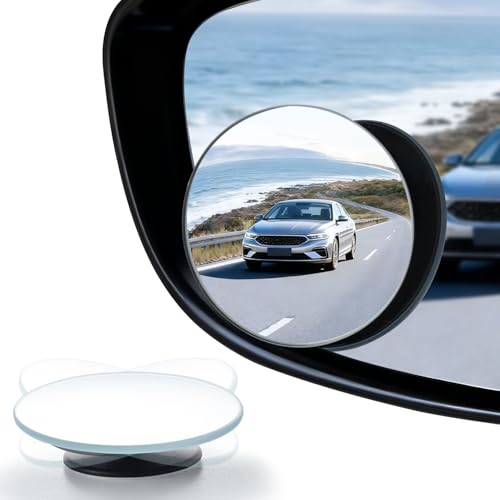
- 2-inch convex HD glass mirror pair
- 360-degree adjustable swivel mount
- Stick-on install for side mirrors
Best For: Classic-car drivers wanting a simple mirror-based blind spot aid
Radar Alert System
EBS001 Blind Spot Detection Kit

- 24GHz sensors detect moving objects behind the vehicle
- LED flash and buzzer warn during lane changes
- Requires plastic bumper and professional install
Best For: 12V drivers wanting an active radar alert system
Auxiliary Warning Strip
11.8 Inch Blind Spot Monitoring Light
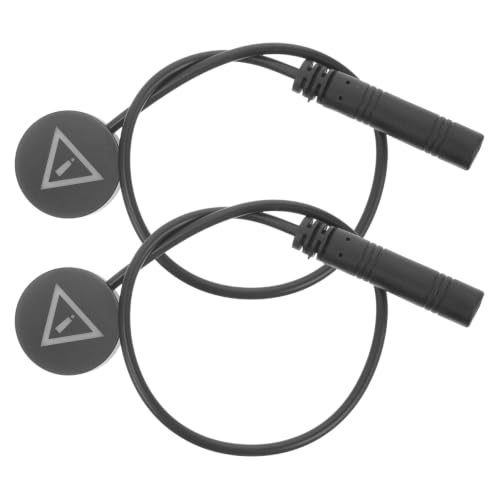
- Bright visual alert for blind spots
- Slim 11.8-inch strip fits discreetly
- Universal fit for many vehicles
Best For: Drivers adding a slim visual alert to an existing system
Radar BSD System
24GHz Universal Blind Spot Monitor

- 24GHz radar-based BSD with LED and buzzer alerts
- Adds lane change assist and optional door-open warning
- Requires 12V vehicle with soft rear fascia
Best For: Classic car owners who want radar alerts and have access to a professional installer
Camera Display Kit
6.25in Dual-Side Blind Spot View

- 6.25-inch IPS screen shows left and right camera views
- Hidden, non-drilled install with magnetic display bracket
- IP68 waterproof cameras with driving recorder function
Best For: Owners who want a visual blind spot system with dual cameras and a larger display
Night Vision Camera Kit

- HD night vision for better low-light blind spot viewing
- 6.25-inch IPS screen with dual camera images
- Hidden install with IP68 waterproof camera housing
Best For: Classic car owners who need night vision and want a concealed camera-based system
Radar Lane-Change Kit – 12V BSD Safety Assist
If you’re shopping for blind spot monitors for classic cars, this 12V radar-based kit is a practical way to add lane-change awareness without relying on a camera screen. It uses dual 24GHz millimeter-wave sensors to watch the rear and side blind zones, then gives LED and buzzer alerts when a vehicle approaches.
Best For: Drivers who want a radar-style blind spot warning system with audible and visual alerts and can support a professional installation.
Pros:
- Dual 24GHz radar sensors with a stated 1–32.8 ft detection range
- Multi-mode alerts for turn signal off, turn signal on, and hazard-light use
- Designed for 12V vehicles and includes an installation manual plus alignment tool
- Useful in night driving, rain, snow, or fog
Cons:
- Professional installation is recommended
- Sensors cannot penetrate metal surfaces, so mounting matters
- Requires careful sensor angle, height, and wiring setup
This is a solid choice if you want a purpose-built warning kit rather than a display-heavy system. Just plan for proper installation to get accurate blind spot monitoring performance.
Touchscreen Camera Monitor – 6.25 Inch Blind Spot View
For classic-car owners who prefer seeing what is beside the car, this blind spot camera system combines side-view monitoring with a touch display. It’s a wired 12V setup with left and right blind spot cameras, plus driving record and parking monitoring features in one compact unit.
Best For: Drivers who want a camera-based blind spot monitor with a built-in screen and extra recording features.
Pros:
- 6.25-inch touch screen with HD 1280×720 or 1920×1080 output options
- Dual-channel split-screen viewing and adjustable image positioning
- Includes driving record, parking monitoring, and video playback functions
- Magnetic adhesive installation with a universal rotating bracket
Cons:
- Wired system, so installation is more involved than a simple add-on mirror
- Brightness adjustment depends on setting the local time correctly
- May be more system than needed if you only want basic blind spot help
This model makes sense if you want a visible side-camera solution instead of radar alerts. Its built-in screen and multi-function design make it more versatile, but also a little more setup-focused.
Turn-Signal Side Cameras – RCA 2-Pack Blind Spot Coverage
If you’re looking for blind spot monitors for classic cars that work with an existing aftermarket display, this RCA side-camera pair is a straightforward option. The left and right cameras activate with your turn signal lights and send a wide-angle feed to a compatible head unit, monitor, or DVR.
Best For: Drivers with an aftermarket RCA display who want side-view blind spot coverage tied to their turn signals.
Pros:
- Includes both left and right side cameras in one package
- Turn-signal activated for hands-free operation
- 170-degree field of view helps cover lane-change blind spots
- RCA output works with many aftermarket head units, monitors, and DVRs
Cons:
- Requires a compatible RCA display device
- Image reversal needs a small switch adjustment
- Only the cameras are included; no screen is provided
This is a clean fit for builds that already have a display and want side-view coverage added in. The turn-signal trigger is especially useful for lane changes, but you’ll need the right equipment already in place.
ABS Radar Alert Kit – BSD Rear Traffic Assist
This blind spot monitor system is aimed at drivers who want a self-contained warning kit for everyday use. It combines radar sensing with sound-and-light alerts, plus rear traffic alert and door-opening reminder functions, making it a versatile option for blind spot monitors for classic cars.
Best For: Drivers who want a standalone radar warning system with multiple safety alerts and simple side-mount installation.
Pros:
- Real-time buzzer and light alerts when a vehicle enters the blind zone
- Supports blind spot detection, lane change warning, rear traffic alert, and door-opening reminder functions
- Standalone design simplifies installation and preserves cabin space
- ABS housing with IP67 rating for rain, fog, and night driving use
Cons:
- Requires rear-bumper sensor installation on both sides
- Maximum detection range is listed at 15 meters
- Not a screen-based system, so alerts are only sound and light
For drivers who want broad alert coverage without adding a monitor, this kit keeps the setup focused and compact. Its weather-resistant build and multi-function warning modes make it a practical safety add-on.
Universal Convex Mirror Upgrade – 2" HD Glass Blind Spot Mirrors
If you want a simple, low-cost way to improve visibility with blind spot monitors for classic cars, this LivTee mirror pair is a practical add-on. The 2-inch convex HD glass design uses a frameless, slim profile and an adjustable swivel mount to widen your rear-side view without adding much bulk.
Best For: Drivers who want an easy stick-on blind spot solution for classic cars, trucks, SUVs, or vans with basic mirror visibility needs.
Pros:
- Convex HD glass helps reduce blind spots during lane changes and passing.
- 360-degree rotate-and-sway adjustment makes positioning flexible.
- Frameless, ultra-thin design keeps the mirror low-profile.
- Simple stick-on installation for existing side mirrors.
Cons:
- Works as a mirror add-on, not an electronic warning system.
- Small 2-inch size may feel limited if you want a larger viewing area.
For classic vehicles, this is the easiest kind of blind spot monitor to add because it does not require wiring or radar sensors. It is best suited to drivers who want a straightforward visibility upgrade rather than active alerts.
Radar Alert System – EBS001 Blind Spot Detection Kit
This EASYGUARD system is a more advanced option for blind spot monitors for classic cars if you are willing to add a radar-based alert setup. It uses 24GHz sensors to watch the rear side of the vehicle and flashes an LED warning when a moving object enters the detection zone.
Best For: Drivers who want an active blind spot alert system for a compatible 12V vehicle with a plastic bumper and professional installation.
Pros:
- 24GHz microwave sensors monitor neighboring lanes for moving objects.
- LED warning and buzzer help alert the driver during lane changes.
- Covers objects within 6 to 12 meters with speed-gap detection over 0.5 m/second.
- Fits many DC12V sedans, SUVs, MPVs, and pickups with plastic bumpers.
Cons:
- Requires professional audio installer installation.
- Not compatible with metal bumpers because of radar interference.
- Designed only for DC12V vehicles.
If your classic car has the right bumper material and electrical setup, this system offers real-time blind-area alerts instead of a passive mirror view. It is a stronger safety upgrade, but the installation and compatibility limits are important to check first.
Auxiliary Warning Strip – 11.8 Inch Blind Spot Monitoring Light
This blind spot monitoring light is a compact auxiliary prompt option for drivers looking to add a visual cue to their setup. It is designed for universal fit use on side mirrors and works as a line-connected warning light that can support lane changes and parking awareness.
Best For: Drivers who want a slim, universal visual alert light to supplement existing blind spot monitors for classic cars.
Pros:
- Bright indicator light provides a clear visual warning.
- Universal fit design works across a wide range of vehicles.
- Compact 11.8-inch strip keeps placement discreet on side mirrors.
- Supports lane-change and parking awareness.
Cons:
- It is an auxiliary light, so it depends on an existing monitoring setup.
- Plastic construction may not feel as robust as metal alternatives.
For classic cars, this is a space-saving way to add an extra layer of warning without a bulky sensor package. It makes the most sense when you already have a blind spot system and want a clearer visual prompt.
Radar BSD System – 24GHz Universal Blind Spot Monitor
If you’re shopping for blind spot monitors for classic cars and need an OEM-style alert system, this 24GHz radar kit is built around distance-based detection rather than cameras. It adds BSD, lane change assist, and optional door-open warning features, and it can warn with LED and buzzer alerts when a moving object enters the monitored zone. Just note that it is designed for 12V vehicles with a soft rear fascia, not metal bumpers.
Best For: Classic car owners with 12V vehicles who want a radar-based blind spot warning system and can work with a professional installer.
Pros:
- 24GHz millimeter-wave radar with up to 15m detection range
- Combines BSD, lane change assist, and optional door-open warning
- LED and buzzer alerts help flag nearby moving objects
- Universal fit for many 12V sedans, SUVs, MPVs, and pickups
Cons:
- Won’t work through metal bumpers
- Professional installation is required
- Not suitable for vehicles without a soft rear fascia
For a classic car project where you want modern blind-spot coverage without adding visible exterior cameras, this is the more sensor-focused option. The tradeoff is installation complexity and fit limitations, so it makes sense for owners prioritizing function over simplicity.
Camera Display Kit – 6.25in Dual-Side Blind Spot View
For blind spot monitors for classic cars that rely on visual confirmation, this camera-and-display setup gives you a 6.25-inch IPS screen and dual blind-spot camera views. The system supports 120° viewing, image adjustment, automatic brightness control, and a hidden non-drilled installation style that uses double-sided tape on the door side. It also includes IP68 waterproof protection and a driving recorder function.
Best For: Classic car owners who want a hidden camera system with a larger screen and dual-side blind spot views.
Pros:
- 6.25-inch IPS display shows left and right blind spot images
- 120° camera view with adjustable image position for better framing
- Hidden, non-drilled installation with magnetic display bracket
- IP68 waterproof design for harsh environments
Cons:
- Uses AHD signal compatibility, so setup needs matching hardware
- Rated at 1080p in the notes, but the detailed specs list 1080p capture for this model only
- Requires routing and mounting of two cameras plus a display
This is a practical pick if you prefer seeing what is in the blind spot rather than relying only on audible alerts. It suits owners who want a hidden, modern-looking add-on and don’t mind a more involved install.
Night Vision Camera Kit – 6.25in HD Blind Spot Monitor
If you want blind spot monitors for classic cars with added nighttime visibility, this kit pairs a 6.25-inch IPS display with a blind spot camera and HD night vision. It mirrors the other camera-based system with dual image viewing, image positioning, automatic brightness adjustment, and a hidden non-drilled installation approach. The difference here is the emphasis on night vision, which can be helpful for older vehicles used after dark.
Best For: Classic car owners who drive at night and want a hidden camera-based blind spot monitor with real-time viewing.
Pros:
- High-definition night vision for better low-light blind spot viewing
- 6.25-inch IPS display with left/right image viewing
- Adjustable image position and automatic brightness control
- IP68 waterproof, shockproof, and corrosion-resistant cameras
Cons:
- Requires installation of cameras and display hardware
- Compatible with AHD signal systems only
- 720p capture resolution in the supplied specs
Compared with the other camera kit, this version is the better fit if night driving is part of the equation. It keeps the same hidden-install concept while adding low-light support, though it still demands a more involved setup than a simple sensor-only option.
How We Picked the Best Blind Spot Monitors for Classic Cars
For Blind Spot Monitors for Classic Cars, the best choices balance safety, ease of installation, and compatibility with older electrical systems. We favored products that can work as universal-fit solutions, offer clear alerts, and avoid unnecessary complexity for vintage builds.
We also looked for options that suit different restoration goals: subtle upgrades for purists, stronger sensor-based protection for daily drivers, and camera systems for drivers who want the most visual detail.
Quick Comparison
If you want the simplest upgrade, convex blind spot mirrors are the fastest and least invasive choice. If you want alerts without taking your eyes off the road, radar sensor kits are a strong middle ground. If maximum visibility matters most, camera-and-display systems offer the most complete view around the vehicle.
Key Buying Factors for Blind Spot Monitors for Classic Cars
Power and Electrical Compatibility
Many classic vehicles use 12V systems, but wiring quality and available accessory power can vary. Check whether the kit is designed for universal 12V use and whether installation will require tapping into turn signals, reverse lights, or constant power.
Sensor Type
Radar-based systems can detect vehicles in adjacent lanes and may provide audible or visual alerts. Camera systems give a direct image of the blind spot, which can be helpful for parking and lane changes. Mirror add-ons are simple and reliable, but they do not provide active warning.
Installation Impact
Owners who want to preserve originality should consider non-invasive options first. Adhesive mirrors and surface-mounted cameras are usually easier to remove later than heavily wired systems or display-mounted setups.
Visibility and Day-To-Day Use
Look for clear displays, strong warning indicators, and a viewing angle that matches the car’s body style and seating position. The best system is the one you can interpret quickly while driving.
Who Should Buy Which Blind Spot Monitors for Classic Cars?
Choose mirror-based solutions if you want a low-cost, low-hassle improvement for occasional driving. Choose radar kits if you drive your classic regularly and want active lane-change warning. Choose camera and display systems if your car has larger blind spots, limited rear visibility, or you want the most confidence in traffic.
For most owners, the best Blind Spot Monitors for Classic Cars are the ones that improve safety without fighting the vehicle’s age, wiring, or style. Start with your driving habits, then match the system to how much installation work and visibility gain you want.