
The best compact portable DACs can make wired headphones and IEMs sound cleaner, louder, and more controlled without adding much bulk to your everyday carry. The right model depends on your device, headphones, connection type, and power needs.
We compared 10 portable USB DAC/amp options across output formats, amplification, high-resolution support, portability, and useful extras so you can choose a model that fits your listening setup.
Best 10 Compact Portable Dacs Picks for 2026
Most Feature-Rich

- PCM up to 768kHz/32-bit and DSD256
- 560mW+560mW balanced Desktop Mode
- 10-band PEQ, app control, and color screen
Best For: Audio enthusiasts wanting maximum control and power
Lightest Simple Adapter
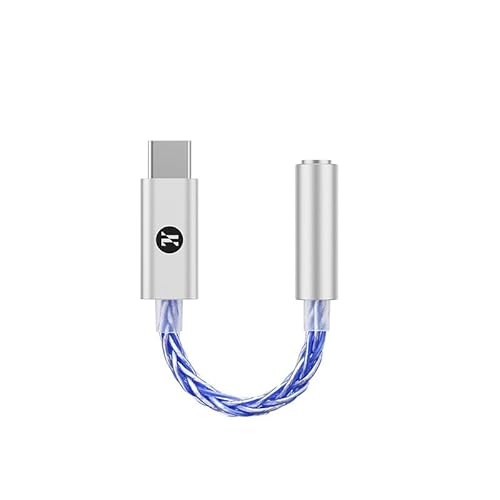
- Approximately 6 grams
- Dual CX31993 and MAX97220 circuitry
- PCM support up to 32-bit/384kHz
Best For: Everyday USB-C listening with 3.5mm headphones
High-Impedance Budget Pick

- Up to 227mW at 32 ohms
- Supports 16–600 ohm headphones
- Includes USB-A adapter and high-resolution playback
Best For: USB-C users needing extra drive for varied headphones
Best Dual-Output Option

- 3.5mm and 4.4mm outputs
- 550mW balanced Desktop Mode
- PCM 384kHz/32-bit and DSD256 support
Best For: Listeners using both standard and balanced headphones
Most Customizable
Protocol Max Portable DAC-Amplifier

- 600mW balanced output for demanding headphones
- Persistent 10-band parametric EQ
- 4.4mm and 3.5mm outputs with dual power modes
Best For: Listeners who want powerful amplification and detailed EQ control
Best Mini Design
Fosi Audio MD3 Portable DAC Amp

- Lightweight 50g, 12mm-thick body
- Magnetic back panel attaches to phones
- Display, volume memory, and dual outputs
Best For: Mobile listeners who want a lightweight DAC with phone-friendly features
Best Plug-and-Play Power
Crinacle JCALLY AP6 DAC-Amplifier

- Up to 540mW balanced output
- Battery-free USB-C plug-and-play operation
- Dual 4.4mm and 3.5mm headphone outputs
Best For: Listeners wanting strong amplification without charging another device
Best for DSP Tuning

- Parametric EQ through the MOONDROP app
- Dual CS43198 chips with DSD256 support
- 3.5mm and 4.4mm outputs
Best For: Audiophiles who want portable power and detailed DSP control
Best Compact IEM Dongle
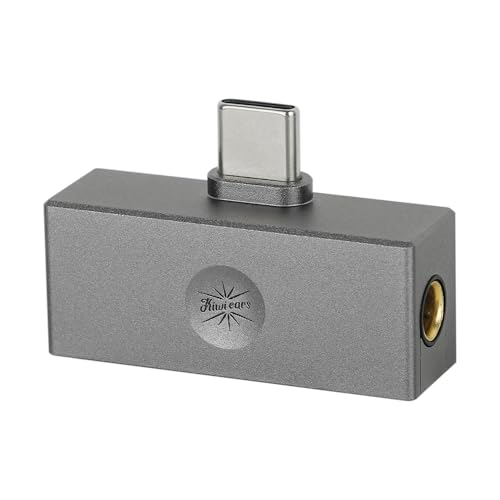
- Slim all-aluminum portable design
- 3.5mm and 4.4mm outputs
- 32-bit/384kHz PCM and DSD128 support
Best For: Android and PC users who prioritize compact IEM listening
Best for Output Power

- Up to 170mW per channel at 32 ohms
- 3.5mm and 4.4mm outputs
- 60-step buttons with volume memory
Best For: Listeners who need high output power and balanced connectivity
Most Feature-Rich – FiiO KA15
The FiiO KA15 stands out among compact portable dacs for its combination of high-resolution playback, powerful output, app-based controls, and a built-in color screen. It is a strong option for listeners who want extensive control in a small USB dongle.
Best For: Enthusiasts who want EQ customization, detailed settings, and extra power for demanding headphones.
Pros:
- Supports PCM up to 768kHz/32-bit and DSD256.
- Desktop Mode provides 560mW+560mW balanced output.
- Offers a 10-band lossless PEQ, app control, and a 0.96-inch IPS color display.
Cons:
- Its broad feature set may be more than casual listeners need.
- Desktop Mode is intended for higher power use and may not suit every mobile setup.
The KA15 is the most versatile choice here, pairing a compact design with unusually comprehensive controls and substantial output. Choose it if customization and headphone-driving ability matter more than absolute simplicity.
Lightest Simple Adapter – JCALLY JM6 Pro
The JCALLY JM6 Pro is one of the most compact portable dacs for straightforward USB-C headphone use. At about 6 grams, it focuses on portability while pairing dual DAC and amplifier components with support for high-resolution PCM.
Best For: Phone and laptop users who want an especially light USB-C-to-3.5mm adapter.
Pros:
- Very light design at approximately 6 grams.
- Uses CX31993 and MAX97220 dual DAC circuitry.
- Supports PCM up to 32-bit/384kHz and lists broad device compatibility.
Cons:
- Provides a 3.5mm connection rather than a balanced output.
- The supplied information does not specify high-power headphone output.
The JM6 Pro is a practical pick when minimal size and a standard 3.5mm connection are the priorities. Its broad compatibility claims make it convenient for everyday USB-C listening, though it is less feature-heavy than the FiiO models.
High-Impedance Budget Pick – BZINK BA36
The BZINK BA36 is a compact portable dac aimed at listeners who want a 3.5mm USB-C adapter with more drive capability than a basic dongle. Its dual CS43131 design, stated 227mW output at 32 ohms, and included USB-A adapter broaden its everyday usefulness.
Best For: Users seeking a USB-C DAC that can accommodate headphones across a wide stated 16–600 ohm range.
Pros:
- Supports 32-bit/384kHz decoding with dual CS43131 chips.
- Offers up to 227mW at 32 ohms and lists support for 16–600 ohm headphones.
- Includes a USB-A adapter and a 20-month warranty claim in the product notes.
Cons:
- Only a 3.5mm headphone output is specified.
- It is heavier than the JM6 Pro at the listed 37.65 grams.
The BA36 makes the most sense for buyers who want a compact wired adapter with clearly stated output capability and broad connection flexibility. Its aluminum shell and included adapter also suit mixed phone, tablet, and laptop use.
Best Dual-Output Option – FiiO KA13
The FiiO KA13 is a versatile compact portable dac for listeners who want both 3.5mm and 4.4mm headphone outputs in one small dongle. It also offers Desktop Mode, dual DACs, app connectivity, and high-resolution PCM and DSD playback.
Best For: Users who want to switch between standard and balanced headphones without carrying a separate DAC.
Pros:
- Combines 3.5mm and 4.4mm outputs in a compact design.
- Desktop Mode raises balanced output power to 550mW.
- Supports PCM up to 384kHz/32-bit and DSD256, with FiiO Control app connectivity.
Cons:
- Its balanced output and Desktop Mode may be unnecessary for basic earbuds.
- The supplied details do not list a built-in display.
The KA13 is the strongest fit for flexible headphone setups, especially if a balanced 4.4mm connection is part of your listening system. It delivers more connection options than the single-output alternatives while remaining small enough for portable use.
Most Customizable – Protocol Max Portable DAC-Amplifier
The Protocol Max is a powerful option for listeners who want a compact portable DAC with extensive sound-shaping control. Its dual CS43198 DACs, balanced output, and persistent 10-band parametric EQ make it suitable for both everyday listening and more demanding headphone setups.
Best For: Headphone users who want high output power and onboard parametric EQ customization.
Pros:
- Up to 600mW through the balanced 4.4mm output.
- 10-band parametric EQ profiles can be saved directly to the device.
- Includes both 4.4mm balanced and 3.5mm single-ended outputs.
- Eco and Boost power modes balance battery life and performance.
Cons:
- Its higher-power feature set may be more than casual listeners need.
- It is not water resistant.
- EQ setup requires a PC browser rather than a dedicated app.
With Android, iOS, Windows, and macOS compatibility, the Protocol Max is a versatile pick for users who want a feature-rich portable DAC rather than a basic plug-and-play dongle.
Best Mini Design – Fosi Audio MD3 Portable DAC Amp
Fosi Audio MD3 Portable DAC Headphone Amplifier Magnetic USB C Mini Amp HiFi Black
Check Price On AmazonThe Fosi Audio MD3 stands out among compact portable DACs for its slim 50g design, magnetic phone attachment, and built-in display. It combines USB-C playback and charging with dual headphone outputs, making it a practical choice for mobile listening.
Best For: Smartphone and laptop listeners who prioritize a small, lightweight design with convenient controls.
Pros:
- Weighs 50g and measures 12mm thick.
- Magnetic leather back panel helps attach it to a phone.
- 1.28-inch display shows playback status and supports interactive features.
- Supports both 3.5mm single-ended and 4.4mm balanced outputs.
Cons:
- Output is rated at 80mW single-ended and 180mW balanced at 32 ohms.
- The display and interactive features may add complexity for users seeking a simple dongle.
- Charging and playback use separate USB-C ports, which may require more cable management.
Compatibility with iPhone 15, Android, iPad, Mac, Windows, PS5, and Switch gives the MD3 broad appeal, while its magnetic design makes it especially convenient for phone-based setups.
Best Plug-and-Play Power – Crinacle JCALLY AP6 DAC-Amplifier
The Crinacle JCALLY AP6 is a straightforward compact portable DAC for listeners who want strong amplification without an internal battery. Its dual outputs, dual opamps, and USB-C plug-and-play operation support a wide range of headphones and mobile devices.
Best For: Users seeking a simple, battery-free portable DAC with high output power and flexible connections.
Pros:
- Delivers up to 540mW at 32 ohms via the balanced output.
- Offers both 4.4mm balanced and 3.5mm single-ended connections.
- USB-C operation requires no internal battery.
- Aluminum housing supports durability and heat dissipation.
Cons:
- It does not offer the Protocol Max’s persistent parametric EQ features.
- Battery-free operation draws power from the connected device.
- The supplied notes do not specify a display or onboard playback controls.
Developed with Crinacle and compatible with smartphones, tablets, laptops, and PCs, the AP6 is a compelling choice when uncomplicated operation and ample amplification matter most.
Best for DSP Tuning – MOONDROP Dawn PRO 2
The MOONDROP Dawn PRO 2 is a strong choice for listeners who want a compact portable DAC with flexible sound customization. Its dual CS43198 chips, 3.5mm and 4.4mm outputs, and app-based parametric EQ make it suitable for fine-tuning headphones and IEMs from a phone or other compatible source.
Best For: Audiophiles who want portable power and detailed DSP control.
Pros:
- MOONDROP app supports adjustable filter type, frequency, gain, and Q value.
- Dual CS43198 DAC chips support up to 32-bit/384kHz PCM and DSD256.
- Offers both 3.5mm and 4.4mm outputs with up to 124mW per channel.
- Aluminum housing uses strategically placed vents for heat dissipation.
Cons:
- Its advanced DSP features may be more than casual listeners need.
- The supplied notes do not specify iOS, Windows, or macOS compatibility details.
The Dawn PRO 2 stands out among compact portable DACs for its combination of high-resolution decoding, independent volume control, and detailed EQ adjustment. Choose it if shaping your headphone response matters as much as output quality.
Best Compact IEM Dongle – Kiwi Ears Allegro Mini
The Kiwi Ears Allegro Mini is designed for listeners seeking a small, stylish portable DAC for IEMs and headphones. Its aluminum body, USB-C connection, dual output options, and support for high-resolution audio make it a practical pick for Android devices and PCs.
Best For: Android and PC users who prioritize a compact aluminum DAC for IEM listening.
Pros:
- Compact all-aluminum alloy body is durable and easy to carry.
- Provides both 3.5mm single-ended and 4.4mm outputs.
- Supports PCM up to 32-bit/384kHz and DSD128.
- USB-C interface offers plug-and-play use with Android 5.1-and-newer devices.
Cons:
- The supplied compatibility information specifically highlights Android and PC, not every phone or tablet platform.
- Its DSD128 limit is lower than some competing models in this roundup.
With its small footprint and straightforward USB-C operation, the Allegro Mini is one of the more convenient compact portable DACs for everyday IEM use. It is especially appealing if you want dual output formats without carrying a larger amplifier.
Best for Output Power – Fosi Audio DS2
The Fosi Audio DS2 is a practical compact portable DAC for users who want substantial headphone drive from a USB-C dongle. It combines dual CS43131 chips, 3.5mm and balanced 4.4mm outputs, physical volume buttons, and broad phone and computer compatibility.
Best For: Listeners who need high output power, balanced connectivity, and simple volume control.
Pros:
- Delivers up to 170mW per channel at 32 ohms.
- Supports 3.5mm single-ended and 4.4mm balanced connections.
- Handles PCM up to 32-bit/384kHz and DSD256.
- Independent 60-step volume buttons include volume memory.
Cons:
- The higher output capability may be unnecessary for sensitive IEMs.
- The supplied notes do not provide physical dimensions or cable details.
The DS2 is a compelling option among compact portable DACs when driving ability is the priority. Its low-noise specifications, dual outputs, and compatibility with iPhone 15 models, iPads, Android devices, and computers make it a versatile everyday amplifier.
How We Picked These Compact Portable Dacs
We focused on portable USB DAC/amp designs that are practical for phones, tablets, computers, and dedicated music players. The selection includes compact dongles with 3.5mm outputs, models with balanced 4.4mm connections, and higher-power units for demanding headphones.
We also considered chip implementation rather than treating a DAC chip alone as a guarantee of sound quality. Output power, connector compatibility, controls, noise performance, software features, and everyday portability can matter just as much. High-resolution formats such as PCM and DSD are included as useful specifications, but they should not be the only reason to buy.
Quick Comparison
| Best For | What to Look For |
|---|---|
| Smallest everyday upgrade | USB-C dongle, efficient power use, clean 3.5mm output |
| IEM users | Low background noise, modest output power, secure connectors |
| Harder-to-drive headphones | Higher output power and a balanced 4.4mm connection |
| Phone and laptop flexibility | USB-C compatibility, supplied adapters, and broad OS support |
| Sound customization | Parametric or graphic EQ, app support, or onboard controls |
Key Buying Factors for Compact Portable Dacs
Outputs and Device Compatibility
A 3.5mm output works with most wired headphones and IEMs. A 4.4mm balanced output can provide more power, but it requires a compatible balanced cable and does not automatically improve every headphone. Check whether the DAC supports your phone or computer and whether an adapter is needed for Lightning, USB-A, or other ports.
Power and Headphone Matching
Most efficient IEMs need relatively little power, so a quiet, low-noise dongle is often preferable to the strongest amplifier. Full-size or high-impedance headphones may benefit from higher output ratings, especially through balanced output. Do not select based on wattage alone: sensitivity, impedance, gain settings, and real listening levels also matter.
Portability and Battery Impact
Smaller dongles are easier to carry and typically place less demand on a phone battery. More powerful DAC/amps may be larger, warmer, or more demanding on the host device. Consider cable durability, connector strain, buttons, volume control, and whether the unit can be secured to your phone or laptop.
Features and Audio Support
DSD and high PCM sample-rate support can be useful for compatible libraries, but everyday usability is usually more important. EQ, hardware volume buttons, display information, gain control, and reliable plug-and-play operation may provide greater practical value.
Who Should Buy Which Compact Portable Dacs?
Choose a simple 3.5mm dongle if you mainly use efficient IEMs or standard wired earbuds and want the smallest upgrade. Choose a dual-output model if you own balanced headphones or expect to upgrade later. A higher-power DAC/amp is better suited to demanding over-ear headphones, while an EQ-equipped model makes sense for listeners who want to adjust tonal balance. If you switch between a phone, laptop, and music player, prioritize broad USB compatibility and convenient controls over headline specifications.